7 Approaches to Using an Online Name Generator in 2026
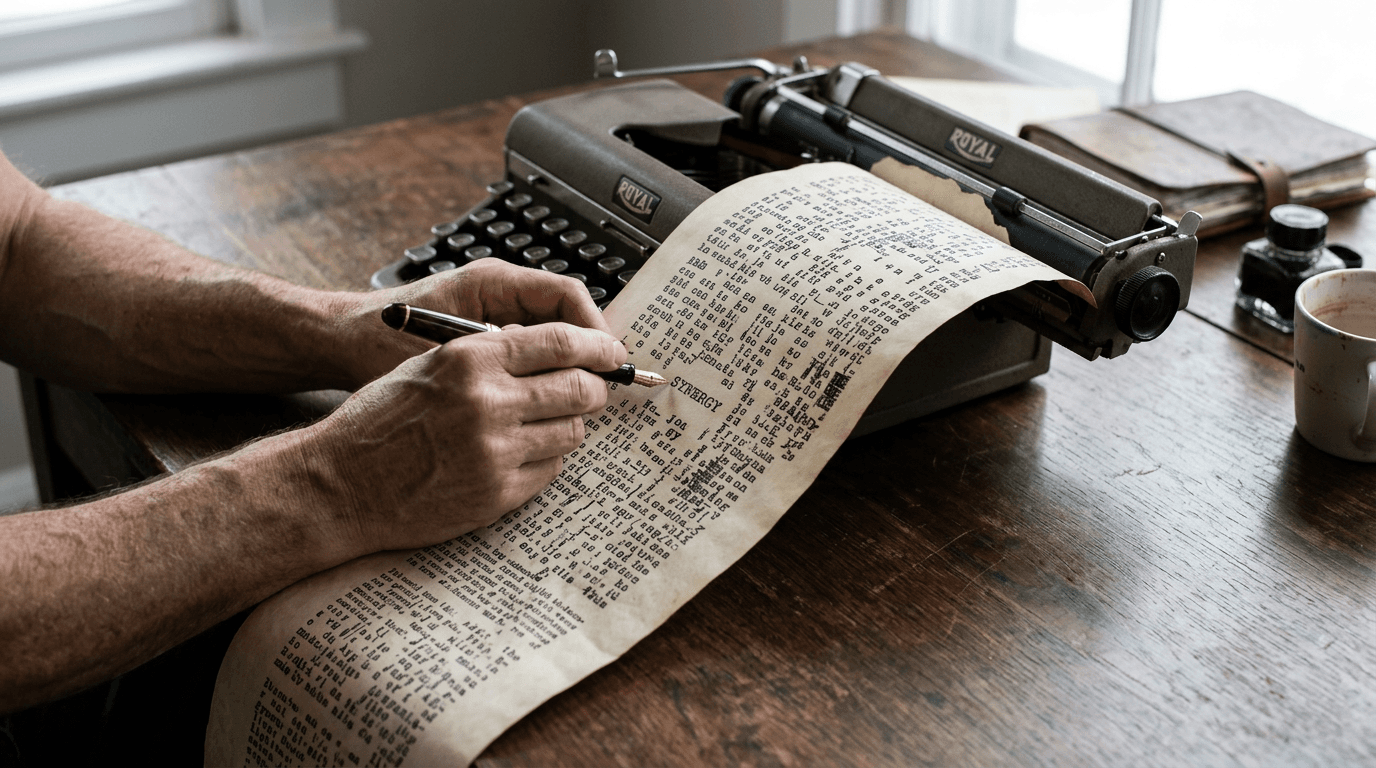
The cursor blinks on a Companies House registration form, or an empty document sits in front of you, demanding an identity that does not exist yet. You know exactly what the entity is supposed to be - its tone, its market position, its narrative weight - but lacking a label, you cannot move forward. This is the exact moment an algorithmic name generator transitions from a novelty into a necessary workflow tool. However, approaching algorithmic generation expecting a finished, polished output on the first click is a fast route to linguistic disaster. The algorithm does not understand nuance, cultural context, or the visual weight of typography. It only understands permutations based on the data it was fed. To get usable results, you must understand how the different underlying engines process data, where they break down, and which specific tool matches the creative roadblock you are currently facing.
Quick Summary
A name generator is an algorithmic tool that combines linguistic rules, keyword seeds, or pre-defined demographic tables to produce titles, identities, or brand concepts at scale.
- Fantasy systems rely on Markov chains and linguistic rules to match specific fictional lore.
- Business engines combine user inputs and actively query domain registrars for availability.
- Purely stochastic tools break creative blocks but require heavy manual curation to yield usable results.
Table of Contents
- Why a basic name generator fails the coherence test
- 1. Table-Roller Fantasy Systems
- 2. Lexical Portmanteau Engines
- 3. Seed-Based Gamertag Systems
- 4. Deep-Lore Ancestry Tools
- 5. Phonetic Language Constructers
- 6. Persona Profiling Tools
- 7. Completely Stochastic Outputters
- Where algorithmic inspiration stops and manual editing begins
- FAQ
- Recommended Reads
Why a basic name generator fails the coherence test
We evaluate these systems on two criteria: input fidelity and output coherence. Input fidelity measures how tightly the algorithm obeys your starting parameters - whether it strictly maps to a defined lexicon or freely hallucinates combinations. Output coherence measures whether the result survives contact with the real world - can an audience pronounce it, remember it, and spell it correctly without asking for clarification? A tool that scores highly on fidelity often produces culturally accurate but functionally useless strings of text, while a tool prioritising coherence might give you something safe but entirely uninspired. Choosing the right engine means deciding which of these two metrics you can afford to compromise on.
1. Table-Roller Fantasy Systems
Built for tabletop RPG players and fantasy authors, these systems replicate the experience of rolling physical dice against structured lists of prefixes and suffixes.

They use Markov chains trained on specific lexicons - like Tolkien's Elvish, medieval European registries, or custom JSON files - to predict the next logical syllable based on the statistical probability of the previous one. This ensures the output sounds culturally consistent even if it is entirely fabricated, maintaining the illusion of a cohesive fictional language.
Markov chains struggle with memorable pacing
A dedicated character name generator might give you a phonetically accurate elven surname consisting of six syllables, but nobody at the table will remember it. Readers and players need names they can pronounce on sight. When a dnd name generator prioritises lore accuracy over vocal cadence, the resulting name almost always gets shortened into a nickname by the second session. If you are building a cast of central characters rather than populating a background tavern, relying solely on table-rollers will leave you with a dense, unpronounceable roster. When evaluating tools for fantasy character naming using drow and random generators, you must manually edit the output down to three syllables or fewer for your protagonists to ensure they remain accessible to your audience.
2. Lexical Portmanteau Engines
Targeted at startup founders and e-commerce entrepreneurs, these business-focused engines mash distinct words together to create registrable domains.
You input two or three seed words describing your industry, and the engine trims the vowels, swaps prefixes, and forcefully stitches them together to create a brandable asset. It simultaneously queries ICANN databases via API to confirm web domain availability before showing you the result, filtering out anything already registered by competitors.
Aggressive vowel stripping damages brand recall
Removing vowels guarantees a cheap domain name. It destroys visual symmetry and vocal recognition. An audience cannot search for a brand they cannot spell after hearing it spoken aloud. These engines suit tech startups operating strictly via digital touchpoints. Users scan QR codes or tap links instead of typing URLs from memory. If you are figuring out how to create the best business cards for your brand, stripping phonetics to secure a dot-com domain will cost you more in lost offline traffic than you saved on the registration fee. Reviewing the top business name generators for startups reveals that the most effective platforms offer sliders to control exactly how aggressively the algorithm alters your original seed words.
3. Seed-Based Gamertag Systems
Designed for content creators, competitive gamers, and forum users who need an online alias without attaching their real identity.
A username generator takes a single hobby, adjective, or animal provided by the user and appends modifiers, numbers, or algorithmic variations. They cross-reference the output against common banned-word lists and character limits for platforms like Discord or Twitch, ensuring the resulting string is immediately valid for account creation.
Alphanumeric padding signals an unprofessional profile
If the base word is taken, the system will simply append a string of numbers or underscores to force it through the platform's registration check. This creates immediate friction. People will struggle to tag you or find your profile across different networks. An alias ending in four random digits reads as a disposable, automated account. It fails as a long-term creator profile. If you are building an audience or managing a community, you must discard the padded suggestions and keep rolling until you find an alphabetical string that stands on its own, without requiring special characters to secure the handle.
Practical rule: Never accept a generated handle that requires underscores or numbers to pass an availability check; an alphanumeric string breaks social tagging and severely limits audience discovery across multiple platforms.
4. Deep-Lore Ancestry Tools
Highly specialised databases built for specific worldbuilding constraints, used by fantasy writers navigating established, rigidly defined fictional universes.
Instead of broad linguistic rules, these tools pull exclusively from canon dictionaries. They concatenate root words from constructed languages - such as combining specific undercommon prefixes and suffixes in a drow name generator - to ensure the output passes scrutiny from hardcore fans of that particular setting. Frequently, these databases insert apostrophes or hyphens to simulate alien linguistic structures.
Canonical rigidity blocks thematic expression
Using a hyper-specific tool guarantees absolute accuracy to the lore, but it strips away your ability to shape the character's thematic resonance. The generated output will sound structurally correct for an underground elf, but it might entirely lack the harsh consonants you wanted to imply a brutal backstory. Writers who need the moniker to reflect a character's internal arc, rather than just their geographic origin, will find these strict ancestry databases far too restrictive. They are excellent for populating background scenes and ensuring wiki compliance, but terrible for protagonists who need to break the cultural mould.
5. Phonetic Language Constructers
For authors writing historical fiction or modern dramas, these tools generate plausible contemporary names anchored to specific real-world regions or time periods.
They scrape historical census data, birth registries, and geographical databases to build frequency distributions. The algorithms then output combinations that accurately reflect regional naming trends, syllable structures, and cultural formatting, ensuring a character sounds like they genuinely belong in a 1920s London suburb or a modern-day tech hub.
Census scraping produces generic archetypes
A standard English name generator relies heavily on statistical popularity. It frequently returns the most mathematically common results. This produces a cast of characters who all sound like they belong in a stock photography catalogue. It struggles to generate the distinct, slightly unusual identities that make a protagonist memorable without tipping over into absurdity. If your script requires a character whose title suggests a specific class background, a regional isolation, or parental eccentricity, these demographic-averaging tools will actively work against you. They mathematically smooth out all the interesting linguistic edges.
6. Persona Profiling Tools
Used by social media managers, casual gamers, and community moderators looking for a secondary handle that conveys a specific attitude or inside joke.
These tools operate via associative arrays and sentiment mapping. You select a mood, such as 'aggressive' or 'corporate', and the nickname generator pulls from heavily curated lists of slang, adjectives, and nouns that map to that specific psychological profile. The algorithm retrieves strings tagged with corresponding metadata values to create a tailored alias.
Aesthetic mapping decays rapidly with changing trends
An algorithm that relies on contemporary slang will age terribly. Because the associative arrays are manually updated by the developers, they often reflect internet culture from two or three years ago. What reads as a clever, ironic alias today will look completely out of touch by the time you have built a brand around it. This approach is fine for a temporary campaign or a disposable gaming account, but building a permanent digital identity on borrowed slang is a massive liability. As outlined in the essential guide to using any web generator, inheriting the cultural baggage of words you did not choose severely restricts your ability to pivot your content later.
7. Completely Stochastic Outputters
The rawest form of algorithmic inspiration, used by creatives who are entirely stuck and need to break out of their own repetitive thought patterns.
Stripped of linguistic rules or semantic matching, these tools utilise basic pseudo-random number generation (PRNG) to select elements from completely unrelated arrays. They pull disjointed syllables, phonemes, or dictionary words and throw them together. There is absolutely no underlying filter for pronunciation, logic, or meaning.
Unfiltered algorithms demand aggressive manual intervention
Using a pure random name generator is like sifting through static looking for a signal. Because there is no logic gate preventing a string of consecutive consonants, the vast majority of the output will be unusable garbage. It is not a shortcut; it is a brute-force method for breaking writer's block. If you are on a tight deadline and need a polished, ready-to-use brand identity immediately, this approach will frustrate you. When using a random name generator for creative projects, you must treat the output as raw material, manually cherry-picking and combining the few decent syllables it spits out rather than accepting any single result wholesale.
Practical rule: Treat stochastic output as a brainstorming prompt rather than a final product; copy the best individual syllables from ten different generations and manually stitch them together.
Where algorithmic inspiration stops and manual editing begins
If your bottleneck is securing digital real estate on a tight budget, lean on a lexical portmanteau engine, but be prepared to defend a misspelled brand name to your customers. If your problem is a blank page and a looming deadline, a stochastic outputter will force you out of your comfort zone, provided you have the time to edit the raw, unpronounceable results. If you are operating within a rigid, pre-existing universe, lean on deep-lore ancestry tools, but know exactly when to override them to serve your narrative pacing. Never let an algorithm make the final decision; these tools exist to provide velocity, not direction. A generated title is only useful if it solves the specific problem you brought to the prompt box without creating a new phonetic hurdle for your audience.
FAQ
Can I trademark a brand name created by an algorithm? Yes, provided the name is distinctive and used in commerce. The fact that an algorithm suggested the combination does not prevent trademark registration. However, you cannot protect generic or purely descriptive terms, regardless of whether a machine or a human generated them.
Why do business name generators frequently suggest misspelled words? They automatically strip vowels or swap consonants to find variations that have unregistered dot-com domains. This lowers initial acquisition costs for a startup but transfers that cost to future brand marketing efforts, as you will have to constantly correct spelling when acquiring customers via word of mouth.
Are fantasy name generators culturally accurate? It depends entirely on the input data. Tools trained on historical census data or specific linguistic rules (like Old Norse dictionaries) produce accurate phonetics, but purely random syllable generators do not adhere to any real-world cultural conventions and will output unpronounceable anomalies.