7 Social Media Quote Strategies: From Pinterest Quotes to Niche Community Hooks
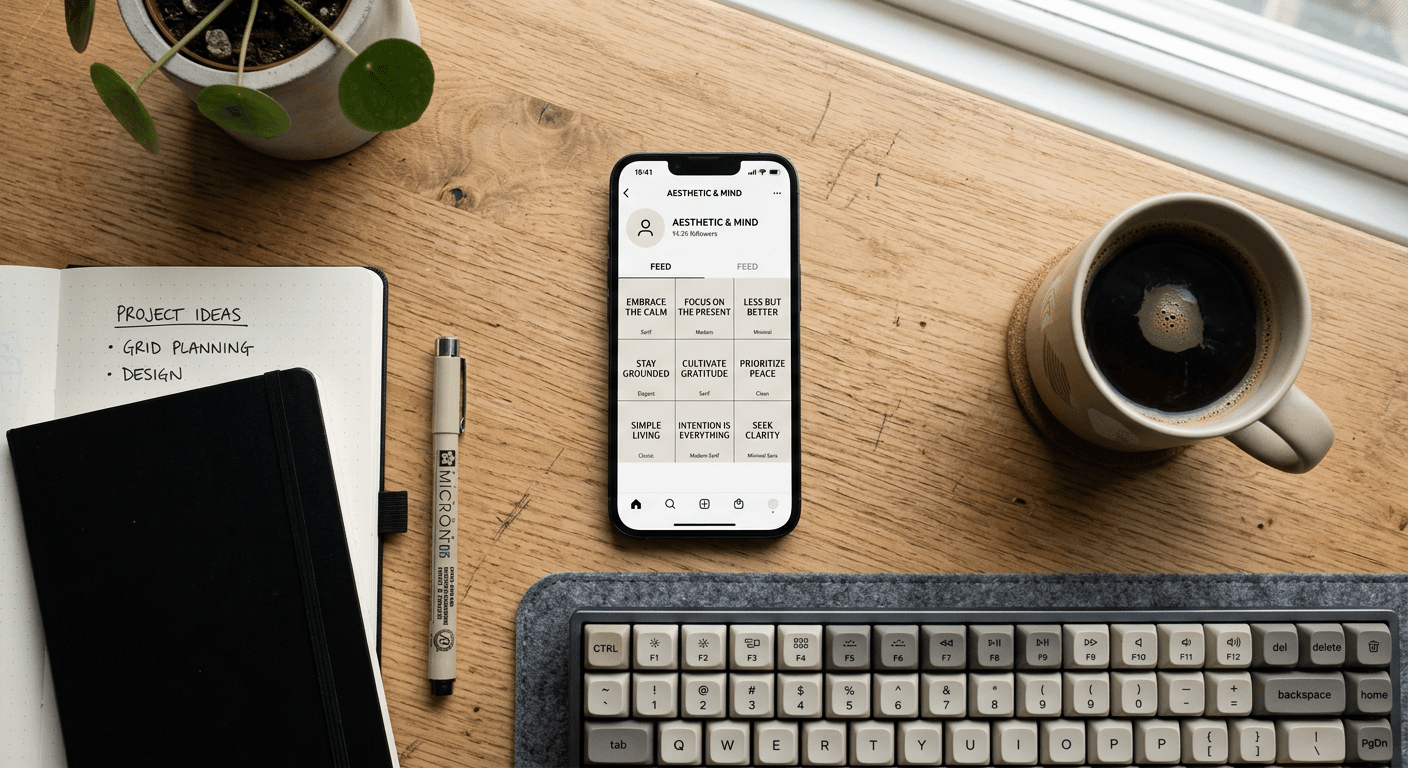
Treating social media quotes as filler content wastes the highest-converting real estate on a profile. When creators run out of original thoughts, they default to generic motivational statements, assuming any text on a pastel background will drive engagement. In reality, platform algorithms heavily weight saves and shares over passive likes, meaning empty platitudes actively drag down account reach. Extracting value from text overlays requires matching the format to the specific mechanics of the network, whether building boards around pinterest quotes to drive long-tail search traffic or scripting controversial industry takes for professional networks. The goal is never just to post words; it is to engineer a specific user action based on the context of the quote.
Quick Summary
A social media quote strategy is the deliberate deployment of text-based graphics, captions, or video overlays to trigger specific algorithm-rewarding behaviours like saves, shares, and profile clicks. Selecting the right approach requires aligning the text format with the host platform's dominant consumption habits.
- Visual platforms require high-contrast text and vertical formats to secure algorithmic saves.
- Niche communities reward insider language and established cultural shibboleths.
- Service industries use text to elevate visual portfolios into lifestyle aesthetics.
- Professional networks demand contrarian, data-backed claims that challenge the status quo.
Table of Contents
- 1. Visual Quote Cards for High-Save Platforms
- 2. Micro-Community Memorialisation
- 3. Service-Specific Aesthetic Hooks
- 4. Contrarian Industry Takes
- 5. Audio-Driven Text Overlays
- 6. The Data-Backed Founder Quote
- 7. The Unfinished Thought Loop
- Choosing Your Strategy
- FAQ
- Recommended Reads
1. Visual Quote Cards for High-Save Platforms
Visual quote cards are high-contrast, text-heavy graphics engineered specifically for platforms that operate as visual search engines. Rather than asking for a comment or a like, these images are designed to be saved to personal boards or collections. E-commerce brands, lifestyle curators, and digital publishers use this format to occupy long-tail search results.
The mechanism relies on Optical Character Recognition (OCR). When a graphic is uploaded, the algorithm scans and indexes the text within the image before a human ever sees it. To capitalise on this, the design must strictly follow a vertical aspect ratio (typically 1000x1500 pixels) and use bold, sans-serif typography that remains legible on mobile screens without zooming. If the background image competes with the text, the save rate drops. To ensure that outbound traffic actually converts, creators should route these clicks by setting up a Pinterest link in bio tool that captures the exit intent efficiently.
High search longevity, negligible immediate conversation
This format is entirely disconnected from immediate community building. A highly successful quote card might generate thousands of repins or saves over a two-year period while accumulating exactly zero comments. It fails entirely on immediate-feed platforms like X or TikTok, where static text images suppress algorithmic reach. Creators looking for active dialogue should avoid this strategy entirely, as its sole purpose is to act as a silent, long-term traffic funnel.
2. Micro-Community Memorialisation
Micro-community memorialisation involves using hyper-specific phrases, inside jokes, or legendary moments from a particular subculture as the anchor for content. This strategy is heavily utilised by gaming creators, streaming networks, and concentrated fandoms to build a barrier between insiders and outsiders.
The algorithmic boost for this strategy comes from dark social sharing. Users do not comment on these posts; they send them directly via direct messages to Discord servers and group chats to prove they belong to the tribe. For instance, integrating technoblade quotes into Minecraft-adjacent content immediately signals that the creator understands the history and emotional weight of that specific community. It acts as a shibboleth. When operators want to scale this engagement without sounding repetitive, exploring fun generators for games and writing allows community managers to keep the language varied while remaining rooted in the required lore.
Immediate tribal signalling, absolute alienation for outsiders
The inherent limit of this strategy is authenticity. It cannot be manufactured by an outside entity. If a corporate brand attempts to co-opt a micro-community's quote without possessing the necessary cultural capital, the audience immediately clocks it as pandering and punishes the account with negative sentiment. Furthermore, if you have to explain the quote in the caption, the strategy has already failed.
3. Service-Specific Aesthetic Hooks
Service-specific aesthetic hooks move visual trades away from operating as mere commodities. Local businesses, salon owners, and visual stylists use this strategy to pair their portfolio work with text that speaks to the client's desired identity rather than the technical specifications of the job.
Instead of posting a price list for acrylic infills, a technician posts the finished work overlaid with text about self-care, boundaries, or luxury. Writing highly specific nails captions for instagram frames the physical service as a lifestyle upgrade. The mechanism dictates the client's self-perception. It changes the interaction from comparing local prices to aspiring to feel like the person represented in the post. By deploying an Instagram link in bio tool, the business can immediately direct that heightened emotional intent straight into a booking calendar.
Exceptional aesthetic value, low intellectual engagement
This strategy is deeply superficial, which is precisely why it works for visual trades, but it breaks the moment the text obscures the service visual. The underlying photograph must dictate the quality of the post. If the typography is so large or so complex that it distracts from the haircut, the makeup, or the manicure, the post stops functioning as a portfolio piece and becomes a generic meme.
4. Contrarian Industry Takes
Contrarian industry takes are the primary currency of B2B consultants, agency owners, and startup founders on professional networks like LinkedIn. This strategy involves quoting oneself, or a client, directly challenging a widely accepted best practice in the first line of the post.
The format operates on pattern interruption. In a feed filled with toxic positivity and congratulatory updates, a sharp, critical quote forces the user to stop scrolling. The text dismantles an old idea, positioning the author as the sole voice of reason. Finding creative writing inspiration using the best generators for 2026 ensures that these hooks remain structurally unpredictable, preventing the author from relying on the exact same sentence pattern for every critique.
Practical rule: A contrarian quote only works if the target audience genuinely believes the premise you are attacking. Arguing against a position nobody actually holds reads as a manufactured grievance.
Rapid algorithmic reach, high risk of professional fatigue
The ceiling for this strategy is audience exhaustion. You can only play the contrarian so many times before the network stops viewing you as an innovator and starts viewing you as a cynic. If the takes are trivial, or if the author fails to provide a viable alternative after tearing down the industry standard, the professional trust burns out completely.
5. Audio-Driven Text Overlays
Audio-driven text overlays dominate short-form video platforms. In this format, the quote is not a static image; it is delivered sequentially on screen, paced perfectly to match a trending audio track.
The mechanism exploits the human inability to ignore moving text. The viewer reads along, anchoring their attention to the screen while the audio builds to a drop or a punchline. Because reading takes time, the video loops in the background, driving up the completion rate, which remains the single most important algorithmic signal for video distribution. Implementing creative text styling using fancy and small text generators can force the algorithm to treat the text as graphical elements rather than standard font, further interrupting the user's habitual swiping.
Maximum algorithm compliance, zero evergreen value
The lifespan of this content is brutally short. Once the background audio trend drops off the charts, the video ceases to circulate. It offers absolutely no evergreen value. Creators building a catalogue of timeless advice should skip this format, as an audio-driven quote becomes practically unwatchable mere weeks after publication.
6. The Data-Backed Founder Quote
The data-backed founder quote fuses subjective leadership with objective reality. Software operators and startup executives use this format to anchor their opinions in hard numbers, moving the quote from an opinion to an irrefutable market observation.
Instead of posting a generic quote about the importance of customer retention, the graphic features a bold claim from the founder, followed immediately in a smaller font by a proprietary statistic that proves it. This format demands high-contrast, minimalist design. The user is supposed to read the quote, doubt it, and then instantly see the numerical proof, resolving the tension and establishing the founder's absolute authority over the subject matter.
Strong authority building, high production friction
This format fails without rigorous, proprietary data. Quoting a generic, publicly available statistic from a 2018 industry report destroys the author's credibility instantly. If the business does not generate its own numbers through user surveys, platform analytics, or unique market research, it cannot execute this strategy without looking derivative.
7. The Unfinished Thought Loop
The unfinished thought loop leverages platform user interfaces to force engagement. The quote in the graphic sets up a compelling premise but cuts off mid-sentence, forcing the conclusion into the caption or the next slide of a carousel.
This tactic exploits UI friction. Every time a user taps "read more" or swipes to the next image to finish reading the quote, the platform logs an active engagement. The algorithm interprets this physical screen tap as high interest, pushing the post to a broader audience. Crafting inspiring Instagram captions for life, love, and holidays requires exactly this kind of structural pacing, ensuring the payoff in the text matches the anticipation built by the graphic.
Excellent metric padding, terrible conversion driving
This strategy is highly manipulative and burns goodwill rapidly. Users who are forced to click to read a disappointing punchline will not click an external link afterwards. It inflates in-app engagement metrics artificially but routinely fails to drive any meaningful business conversions, making it useless for accounts focused on off-platform sales.
Strategy Comparison Table
| Strategy | Ideal Platform | Primary Algorithmic Signal | Core Weakness |
|---|---|---|---|
| Visual Quote Cards | Saves and Repins | Generates zero active conversation | |
| Micro-Community Hooks | X, Discord | Dark Social Shares | Easily backfires if inauthentic |
| Aesthetic Hooks | Profile Visits | Fails if text obscures the imagery | |
| Contrarian Takes | Dwell Time & Comments | Causes audience fatigue rapidly | |
| Audio-Driven Overlays | TikTok, Reels | Video Completion Rate | Absolutely no evergreen lifespan |
| Data-Backed Quotes | Shares | Requires unique, proprietary data | |
| Unfinished Thought Loop | Clicks / Swipes | Burns goodwill; low conversion |
Choosing Your Strategy
Applying the wrong format to a platform actively suppresses your reach. If your bottleneck is external traffic and long-term discovery, prioritise visual quote cards on search-first platforms. If you are struggling to build authority in a crowded B2B market, test contrarian takes and data-backed founder quotes to carve out a distinct intellectual position.
Conversely, if your primary goal is to foster a highly defensive, engaged niche audience, deploy micro-community memorialisation. Avoid the unfinished thought loop if your business relies on driving users to an external storefront; the frustration it generates actively harms outbound click-through rates. Match the visual execution to the specific metric you need to move.
FAQ
Should I use serif or sans-serif fonts for quote graphics? Sans-serif fonts are mandatory for mobile-first platforms. Serif fonts lose legibility when scaled down on smaller smartphone screens, causing users to scroll past rather than attempting to read the text.
Do text-heavy images get penalised by algorithms? Feed platforms like Instagram no longer outright ban text-heavy images, but they do suppress them if the text is illegible or if the format does not generate immediate saves. Search platforms like Pinterest, however, actively reward text-heavy images as their optical character recognition uses the text to index the post.
How often should quotes appear in a visual grid? For service-based businesses, quote graphics should not exceed one in every six posts. The portfolio of actual work must remain the dominant visual element, with quotes serving only to break up the aesthetic and re-establish the brand's tone.
Does the platform's native text editor perform better than imported graphics? On short-form video platforms, using the native text editor slightly improves algorithmic reach because the platform can instantly read the metadata of the text. For static feeds, imported, highly designed graphics perform better as they offer superior contrast and branding control.