EDIR A Complete Guide to Digital ID Cards
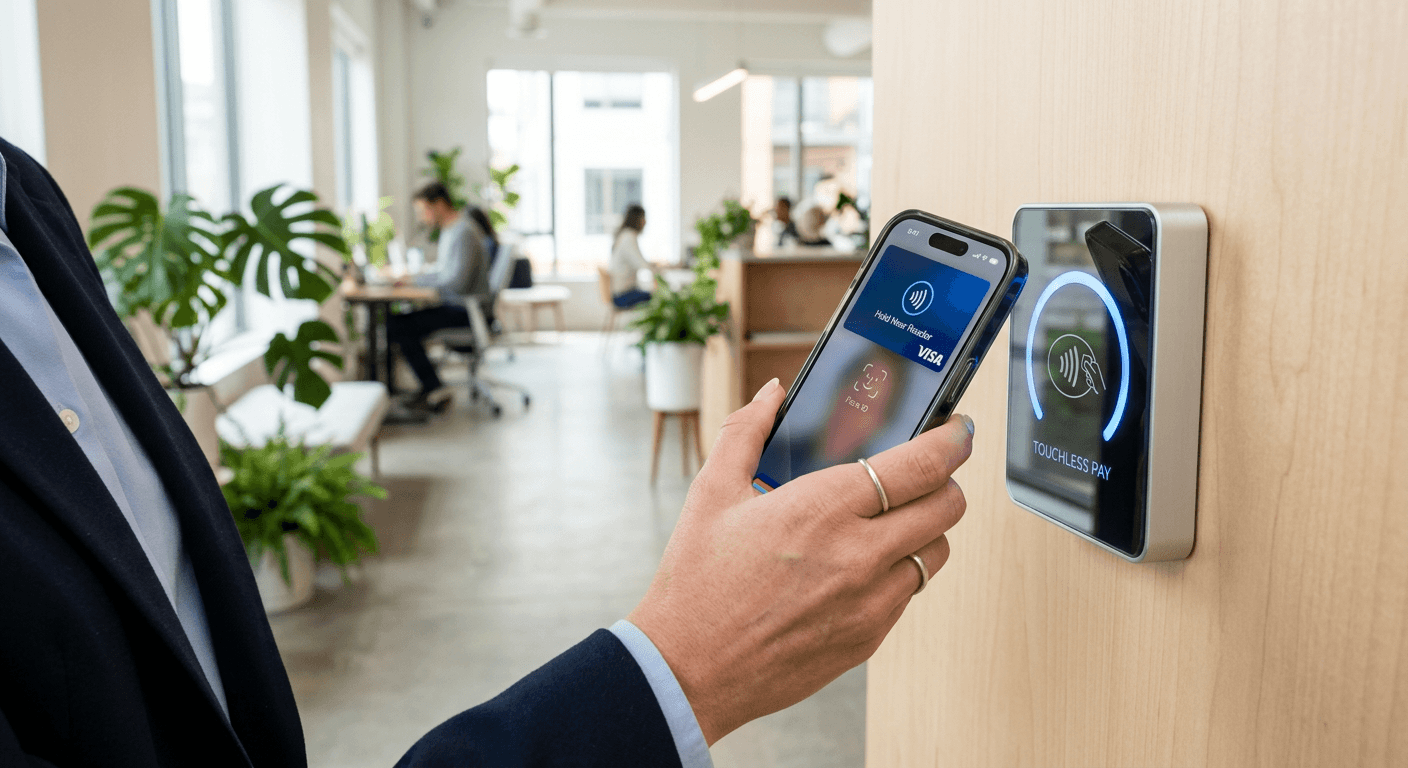
EDIT We live in an age where dragging around a bulky leather wallet stuffed with plastic cards feels like trying to navigate the London Underground with a Victorian-era map. It is clunky, outdated, and frankly, a bit ridiculous. Digital id cards are finally catching up to the speed of our daily lives, moving identification from your back pocket directly onto your smartphone. Whether you are proving your age at a venue or checking into a secure building, the transition to virtual credentials is well underway.
Quick Summary
Digital id cards are secure, mobile-based versions of physical identification documents stored on encrypted smartphone apps. They allow users to verify their identity, age, or professional status electronically, reducing the risk of loss, theft, or physical degradation while offering a seamless and modern alternative to traditional, static identification cards.
- Increases security through biometric authentication (like FaceID).
- Reduces identity theft by masking unnecessary personal details.
- Simplifies credential management for businesses and individuals.
- Works seamlessly with modern mobile ecosystem wallets.
Table of Contents
- Understanding Digital ID Cards
- The Rise of UK Digital ID Cards
- Why Switch to a Digital ID?
- Security Considerations and Privacy
Understanding Digital ID Cards
If you ask me, the concept of a digital id card is remarkably straightforward - think of it as a digital vault for your legal credentials. Rather than having a piece of laminated plastic that fades after two years, you have a cryptographic token that lives in your phone. It is like moving from a filing cabinet to the cloud; everything is faster and, in the right hands, infinitely more secure. You can explore how to set up your own modern business cards to see how similar tech works in a professional context.
How Virtual Identification Works
At the core, these systems use Public Key Infrastructure - a fancy way of saying they use math to prove you are who you claim to be without actually handing over your physical birth certificate. You tap your phone against a reader, a handshake occurs between the device and the terminal, and boom, you are in. It is elegant. It is fast. It is how things should have been done a decade ago.
The Rise of UK Digital ID Cards
Honestly, the shift toward uk digital id cards has been a bit of a slow burn, but the momentum is undeniable now. While the UK has historically been wary of national identity databases, the demand for frictionless interaction is forcing the government and private sectors to innovate. From proving your age at a pub to accessing government portals, the landscape is shifting from physical paper to screen-based verification.
Government and Private Sector Adoption
It is not just about state-issued documents, either. Companies are increasingly adopting their own internal digital identity solutions. Why carry a badge when your phone does the job? Even for small teams, looking into advanced enterprise solutions can show you how identity management is evolving beyond the office door.
Why Switch to a Digital ID?
Let’s be real for a second: who actually enjoys waiting for a new plastic card to arrive in the mail? The biggest perk of going digital is the instant gratification of updating or issuing credentials. If your name changes or your access level shifts, the update happens server-side, not via a trip to the DMV or an HR office.
- No more lost plastic cards.
- Real-time updates without physical reissue.
- Eco-friendly reduction in plastic waste.
- Seamless integration with platforms like Google Wallet.
Security Considerations and Privacy
Now, here is a hot take: digital is often safer than physical. A lost piece of plastic can be picked up and used by anyone. A phone, however, is locked behind biometrics. If someone steals your phone, they are not getting your digital identity unless they also have your face or thumbprint.
Protecting Your Personal Information
Privacy is the elephant in the room, though. Does every merchant need to know your home address just to verify you are over 18? With smart digital ID systems, you can share only the necessary info. It is a win for privacy that the old plastic card system never really mastered. It is worth reviewing the standard terms and conditions of any app you use to ensure they prioritize your data privacy as much as you do.