Comparing Popular Business Cards Services
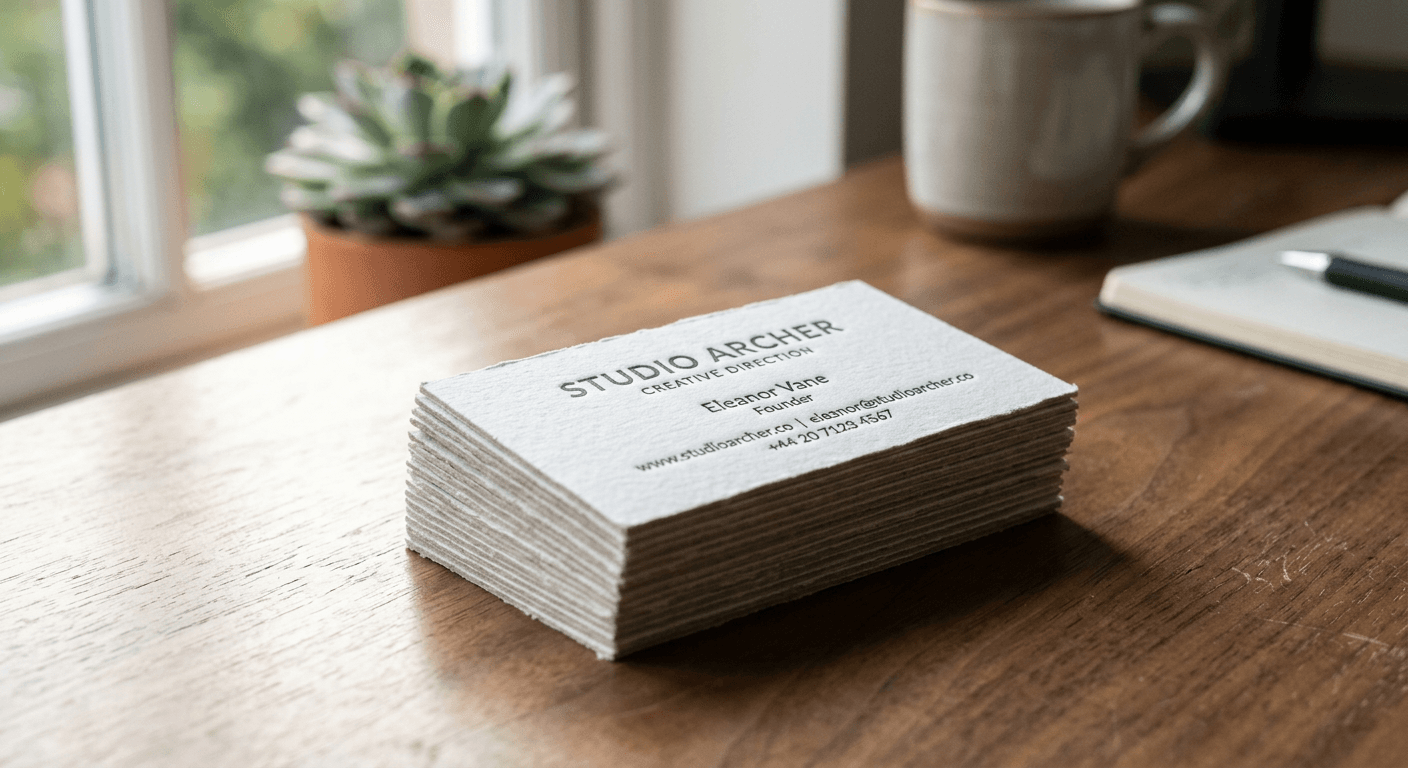
Walking into a networking event without a professional calling card feels a bit like showing up to a black-tie gala in swim trunks. It is awkward, slightly jarring, and honestly, it misses the mark. When you finally decide to create business cards, you aren't just printing contact info on a slip of paper; you are crafting a tactile piece of your professional brand identity that stays behind long after you have shaken hands.
Quick Summary
Selecting the right service for business cards involves balancing print quality, design flexibility, and cost-efficiency. Whether you prioritize premium finishes or budget-friendly bulk printing, top providers cater to different professional needs by offering varying levels of customization for high-quality, impactful networking tools.
- Premium options like MOO provide high-end, tactile finishes.
- Online platforms offer vast template libraries for quick turnaround.
- Material weight and texture significantly impact brand perception.
- Pricing varies based on volume and specialty customization requirements.
Table of Contents
- Quick Summary
- Why Professional Business Cards Still Matter
- Analyzing MOO Business Cards
- Evaluating Online Printing Services
- Tips for Designing Effective Cards

Why Professional Business Cards Still Matter
Digital files are fine, but have you ever tried to hand someone a PDF at a crowded conference? It just doesn't carry the same weight. If you ask me, the physical exchange of business cards is a ritual that builds genuine trust. It signals that you are prepared and serious about your craft. A well-designed card acts as a physical anchor for your online presence, bridging the gap between a brief introduction and a lasting business connection.
The psychology of texture
Think about the last time someone handed you a card that felt like thin, cheap construction paper. You probably forgot it in a coat pocket or tossed it in the trash. Now, think about one with a matte finish or a heavy, textured stock. You kept that one, didn't you? It is an subtle, non-verbal cue of quality. When you invest in your custom business cards, you are essentially choosing the first impression your potential client or partner will hold in their hand.
Analyzing MOO Business Cards
Let’s be real about the heavy hitter in the industry: MOO. If you want a card that screams 'I care about details,' this is usually the go-to. They have built a reputation on high-quality paper stocks and, more importantly, the ability to print different designs on the back of every card in a single pack. It is genius, really. Imagine showing a potential partner five different portfolios on the back of your cards. It sparks conversation instantly.
Is the premium price worth it?
Honestly, I believe the extra cost is justified if you are in a field where aesthetics are everything—designers, architects, or luxury consultants. You aren't just paying for ink on paper; you are paying for that 'wow' factor when someone runs their thumb over the raised spot UV or the cotton texture of the card. Sure, it isn't the cheapest way to create business cards, but can you really put a price on an unforgettable first impression?
Evaluating Online Printing Services
Not everyone needs a gold-leaf embossed masterpiece. For small businesses or those just starting out, there are dozens of business cards UK services that offer speed, affordability, and decent quality. These online platforms are the fast-food equivalent of printing—quick, reliable, and perfectly functional for most everyday needs.
- Massive libraries of pre-made templates save hours of design time.
- Automated proofing tools prevent those embarrassing typos before you hit print.
- Bulk discounts make it easy to supply a whole team without breaking the bank.
- Integrated shipping options mean you can get your cards in days, not weeks.
Tips for Designing Effective Cards
Designing is where people get messy. Please, stop putting your entire life story on a three-inch slip of paper. Keep it clean. Keep it readable. Use the space for what matters: your name, your role, and how to find you online. If you are struggling with the layout, remember that white space is your friend, not your enemy. It guides the eye to the information that actually gets you hired.
Common mistakes to avoid
- Overcrowding the card with tiny, unreadable fonts.
- Using blurry logos that lose their integrity at small sizes.
- Forgetting to proofread (I have seen cards with misspelled emails—it is painful).
- Choosing colors that clash so much it makes the card hard to read.
Designing cards shouldn't feel like a chore. It is an opportunity to express your brand voice in a tactile way. Whether you go with a boutique service or a bulk online printer, the goal is always the same: make sure it reflects exactly who you are. It’s simple, right? Just keep it authentic to your work, and the results will follow.