Evaluating UK Grooming Markets: 7 Styles of Edinburgh Hair Salons and Regional Barbershops
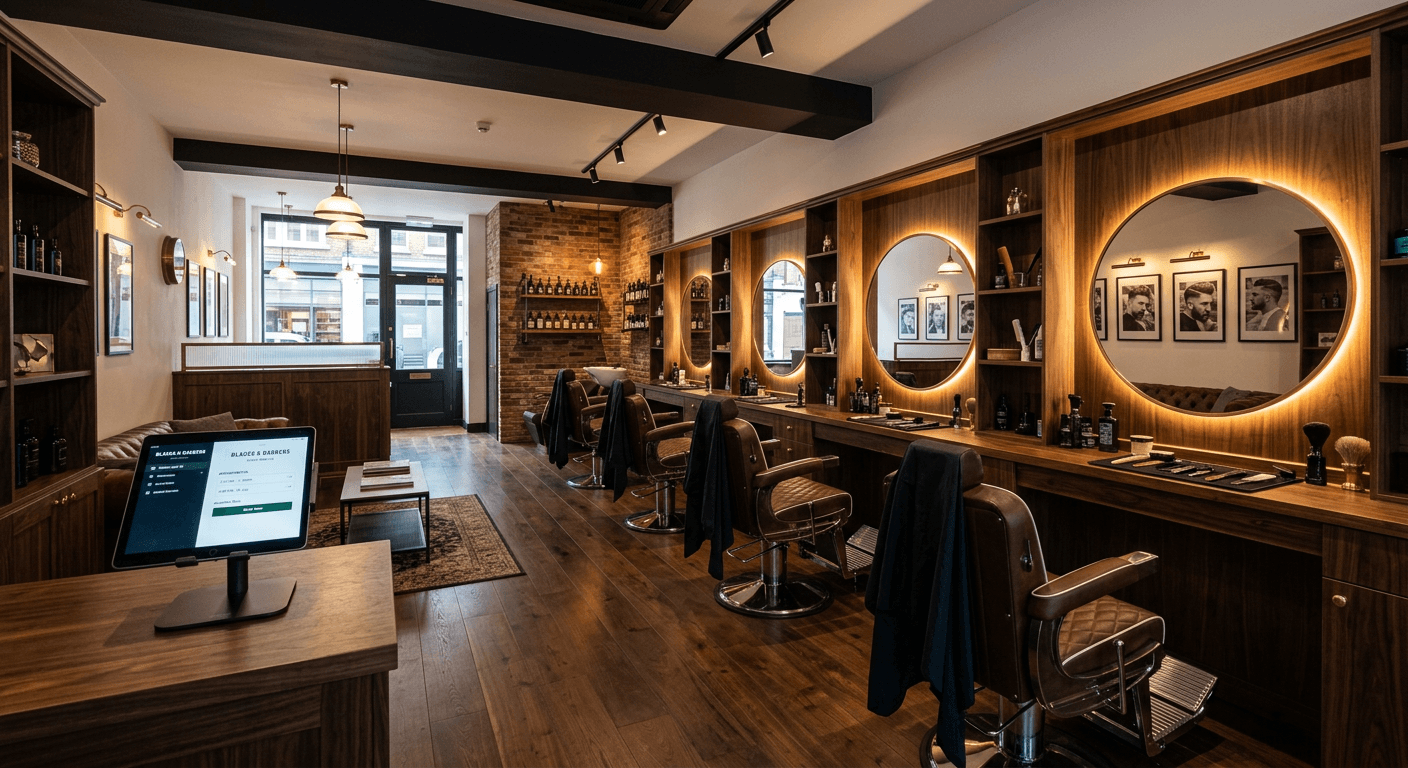
The operational gap between walk-in street shops and digitally integrated grooming spaces becomes obvious the moment a client tries to secure a recurring slot at premium edinburgh hair salons without a dedicated booking link. A front desk operating entirely on paper ledgers or direct messages creates a bottleneck that immediately caps weekly revenue. High-performing grooming businesses no longer function as isolated retail units; they operate as interconnected digital storefronts where clients book, review, and re-book through central hubs. Relying on an unstructured queue is a failure mode that modern operations have entirely engineered out of their daily workflows.
Quick Summary
This article examines seven distinct regional styles of UK barbershops and salons, categorised by their operational models, digital infrastructure, and client retention strategies. Understanding these typologies allows professionals to identify where a specific market is saturated and which booking mechanisms drive actual business growth.
- Heritage models in capital cities rely on tiered pricing and strict digital scheduling.
- Hybrid aesthetic spaces struggle with fragmented calendars due to chair-rental models.
- University-adjacent shops must counteract seasonal voids with aggressive loyalty structures.
- High-tier residential boutiques mandate digital deposits to eliminate no-shows.
Table of Contents
- Evaluating operational maturity and digital retention
- 1. The Heritage Grooming Lounge (Edinburgh)
- 2. The Hybrid Aesthetic Space (Nottingham)
- 3. The University Precinct Traditionalist (Oxford)
- 4. The High-Volume Commuter Hub (Milton Keynes)
- 5. The Industrial-Chic Studio (Newcastle and Telford)
- 6. The Cathedral City Specialist (Canterbury and Carlisle)
- 7. The Premium Residential Boutique (Clapham and Cheltenham)
- Summary of Regional Grooming Typologies
- Matching operational models to client expectations
- FAQ
- Recommended Reads
Evaluating operational maturity and digital retention
Assessing a local grooming market requires looking past the interior design to understand how a business secures its recurring revenue. When finding established hair salons and barbershops across the UK, the true differentiator is infrastructure. A shop that relies entirely on street traffic is vulnerable to minor weather shifts, whereas a digitally mature salon secures its week's revenue through mandatory deposits and automated calendar reminders days in advance.
We categorise these establishments not by their brand names, but by their core operational mechanisms. By examining seven specific regional styles, you can identify the friction points in local markets - ranging from the strict appointment gates of high-end lounges to the rapid turnover metrics of commuter hubs.
1. The Heritage Grooming Lounge (Edinburgh)
Corporate clients and affluent tourists view grooming as a structured event rather than a rapid transaction. The heritage grooming lounge serves as their premium destination. Within the landscape of established Edinburgh barbers, these spaces typically occupy historic retail units. They leverage dark wood aesthetics, private seating areas, and complimentary beverage services. These touches justify a top-tier price point. They cater specifically to a demographic valuing uninterrupted dwell time. Extensive consultation takes priority over rapid turnaround.
The operational mechanism of a heritage lounge hinges on tiered pricing structures dictated by staff seniority and mandatory 45-minute minimum slot durations. Because high street rents in historic districts are punitive, these shops cannot survive on volume. Instead, they integrate central digital booking platforms that require a card on file, securing the revenue before the client even arrives. They frequently utilise modern solutions for staff identity management to ensure clients can easily verify and re-book the exact senior stylist they consulted with.
High aesthetic overheads demand tight digital retention
The honest limit of this model is its total inflexibility. It fails entirely for the time-poor client who simply needs a rapid 15-minute maintenance cut before a flight or a meeting. Because the financial model demands extended appointment times to maintain the target average ticket value, walk-in requests are routinely rejected even when chairs temporarily sit empty. Clients requiring spontaneous or purely functional grooming should avoid these spaces entirely, as the operational friction of securing a slot outweighs the benefit of the service.
2. The Hybrid Aesthetic Space (Nottingham)
The hybrid aesthetic space is a mixed-use environment combining standard cutting with advanced treatments like skin fading, colouring, and facial therapies. Common among Nottingham barbers, these units target a younger, highly engaged demographic that consumes grooming content on social media. They operate as hubs for multiple distinct services rather than traditional single-focus barbering, often featuring varied seating arrangements and dedicated treatment rooms.
Operationally, these spaces frequently rely on a chair-rental model. Independent contractors work under a single roof. This means individual operators manage their own digital presence. They also handle their own tax liabilities. Contractors must bridge the gap between their social profiles and their isolated calendars. They heavily rely on popular QR code generator tools placed on mirrors. Clients scan these to book directly into that specific operator's diary. This avoids any interaction with a central receptionist.
Practical rule: When evaluating a chair-rental salon, check if contractors share a unified booking link or operate isolated calendars. Segmented booking systems severely limit cross-selling opportunities and frustrate clients trying to book consecutive services.
Fragmented service menus complicate scheduling software
Walk-in clients are effectively locked out of a cohesive experience. Because each contractor manages a discrete calendar with distinct pricing, attempting to secure an impromptu slot across different service types rarely works. If a client wants a haircut from one contractor and a beard trim from another, they are forced to navigate two entirely separate booking pipelines. Those seeking a unified, single-ticket experience will find this model deeply frustrating.
3. The University Precinct Traditionalist (Oxford)
Situated immediately adjacent to collegiate centres, the university precinct shop is built entirely around term-time volume. A standard Oxford barbershop targets undergraduates and academic staff, focusing heavily on mid-tier pricing and straightforward, highly repeatable styles. These spaces prioritise maximum chair occupancy during peak academic months and feature durable, high-traffic interiors designed to withstand constant daily footfall.
The core mechanism of this business is aggressive seasonal throughput. During term time, they operate at maximum capacity, often extending hours into the late evening to capture students finishing lectures. However, to survive the drastic drop in foot traffic during summer holidays, they must enforce strict loyalty programmes. Digital punch cards and automated SMS discounts are deployed just before terms end to ensure that permanent local residents fill the gaps left by the departing student body.
Term-time dependency requires aggressive loyalty tracking
Service quality at this type of Oxford barbers drops severely during peak weeks. When a shop is churning through sixty clients a day to stockpile cash for the summer void, consultation times evaporate. Clients looking for drastic restyles or detailed advice are pushed through the system too quickly to receive meaningful input. Anyone seeking a consultative experience should actively avoid these spaces during the first and last weeks of a university term.
4. The High-Volume Commuter Hub (Milton Keynes)
The commuter hub is a hyper-efficient unit located in retail parks, train stations, or major commercial roundabouts. A typical Milton Keynes barbershop targets busy professionals and local workers who view haircuts as necessary administrative tasks rather than leisure activities. The environment is stripped of luxury elements, focusing instead on bright lighting, easy parking, and immediate service visibility.
This model completely abandons the traditional appointment calendar in favour of digital queue-management software. Clients log their arrival on a tablet at the door, track their wait time on a screen, and are routed to the next available chair regardless of the operator. The financial mechanism relies on strict standardisation - every staff member is trained to execute a specific menu of cuts within exactly 20 minutes. This guarantees a predictable hourly revenue rate and prevents complex requests from bottlenecking the queue.
Volume metrics override bespoke detailing
A commuter hub is structurally incapable of handling deviation. The business model actively penalises staff who exceed the strict 20-minute turnaround per chair. Consequently, Milton Keynes barbers operating in this format will default to standard clipper guards and refuse complex scissor work that threatens the queue's flow. It is entirely the wrong environment for a client transitioning from long to short hair, or anyone requiring bespoke texturing.
5. The Industrial-Chic Studio (Newcastle and Telford)
The industrial-chic studio is a destination location that deliberately avoids expensive high street leases by setting up in secondary retail sites, converted warehouses, or first-floor units. Often seen when looking for a Newcastle upon Tyne barber or exploring Telford barbers, these shops compensate for their lack of organic foot traffic by dominating social media feeds. They target highly brand-conscious clients who are willing to travel for a specific aesthetic.
Operationally, these studios survive on their digital reach. Their primary mechanism for growth is visual marketing, requiring staff to constantly film and upload content to maintain relevance. Because they cannot rely on passers-by, they use link-in-bio platforms to drive traffic directly from viral videos to their booking pages. They also frequently create physical business cards featuring QR codes that lead directly to their digital portfolios, distributing them at local events to manually build an initial client base.
Heavy reliance on visual marketing masks operational gaps
The online aesthetic of this model frequently outpaces the technical reality. Shops that over-invest in ring lights and camera equipment without matching it with rigorous technical training suffer from disastrous retention rates. A client will travel once for the aesthetic they saw online, but they will never return if the underlying service is rushed or poorly executed. Clients should skip these locations if the shop's social feed features more lifestyle branding than actual, unedited haircut results.
6. The Cathedral City Specialist (Canterbury and Carlisle)
The cathedral city specialist is a deeply entrenched community fixture serving a predominantly older, established demographic. Whether operating as Canterbury barbers or Carlisle barbers, these businesses have often occupied the same premises for decades. They cater to a client base that values routine, familiarity, and verbal rapport above modern amenities or trend-led styling.
Their operational mechanism defies modern digital trends by relying almost entirely on verbal re-booking and long-established trust. Staff turnover is notoriously low, and the business functions on a predictable weekly ledger of recurring appointments. While they may maintain a rudimentary social media page to act as a digital signpost, their core revenue is insulated from online trends because their clients book their next slot before leaving the chair, paying mostly in cash or via simple point-of-sale terminals.
Practical rule: Never attempt to force an established, older client base onto a mandatory app-based booking system without offering a transitional in-store rebooking option; abrupt digital friction simply drives them to the nearest traditional competitor.
Client loyalty outpaces digital infrastructure
This environment is exceptionally hostile to new entrants. It is incredibly difficult for a newly hired stylist to build a book quickly in these spaces, as the existing client base is highly resistant to shifting loyalties. For the consumer, securing an appointment with the lead barber is often impossible without a personal introduction, as their diary is perpetually locked out by standing appointments stretching months into the future.
7. The Premium Residential Boutique (Clapham and Cheltenham)
The premium residential boutique serves high-income suburban areas, positioning itself as a luxury convenience for affluent locals who prefer not to commute into the city centre for services. Operating as top-tier Clapham barbers or high-end Cheltenham barbers, these spaces offer a highly curated environment. They feature bespoke lighting, premium retail product lines, and extended operating hours to accommodate clients returning from corporate jobs.
The core mechanism of the residential boutique is the aggressive protection of its time inventory. Because their operating costs are high and their client base is notoriously prone to last-minute scheduling changes, these businesses mandate strict upfront digital deposits. Their central management software automatically cancels slots if payment details are not secured within 15 minutes of booking, ensuring that every hour of the day is either monetised or instantly returned to the public calendar.
Elevated price points demand flawless front-of-house execution
This model is inherently hostile to the casual consumer. Rigid cancellation policies, which often charge the entire service fee for a no-show, actively deter clients looking for flexible grooming options. Furthermore, the environment can feel overly sanitised and transactional. Clients who value a relaxed, conversational atmosphere over rigid corporate efficiency will find the strict protocols of these residential boutiques alienating and stressful.
Summary of Regional Grooming Typologies
| Typology | Primary Mechanism | Core Demographic | Key Limitation |
|---|---|---|---|
| Heritage Lounge | Tiered pricing & mandatory 45-min slots | Corporate & affluent tourists | Rejects quick/spontaneous walk-ins |
| Hybrid Space | Chair-rental & isolated digital calendars | Trend-conscious younger clients | Severely limits cross-service booking |
| University Precinct | High volume & seasonal loyalty tracking | Undergraduates & academic staff | Quality drops sharply during peak weeks |
| Commuter Hub | Digital queuing & strict 20-min limits | Time-poor professionals | Refuses complex restyling requests |
| Industrial-Chic | Visual marketing & destination routing | Brand-conscious online followers | Aesthetic often outpaces technical skill |
| Cathedral City | Verbal re-booking & long-term retention | Older, established locals | Impossible for new staff to build a book |
| Residential Boutique | High price points & mandatory deposits | Affluent suburban professionals | Rigid policies alienate casual clients |
Matching operational models to client expectations
Choosing the right environment requires mapping your personal scheduling constraints to the shop's operational reality. If your bottleneck is time unpredictability, you must avoid the Premium Residential Boutiques and Heritage Lounges entirely; their cancellation fees and strict appointment gates will actively punish a shifting schedule. Instead, leverage the digital queuing software of a Commuter Hub where you are measured in minutes, not fixed slots.
Conversely, if your priority is a major restyle or a complex technical service, relying on a high-volume student shop or a commuter station unit guarantees a rushed, inadequate result. In these scenarios, the mandatory 45-minute slots of a Heritage Lounge are exactly what protect the quality of the service. For a broader benchmark on how these environments compare nationally, consulting a benchmark guide for UK grooming services will clarify what level of digital infrastructure you should demand for the price you are paying. Always evaluate the booking mechanism before evaluating the haircut; a business that cannot efficiently manage its own calendar rarely manages its technical output any better.
FAQ
Why do premium UK salons mandate non-refundable booking deposits?
Premium salons operate on high fixed overheads and extended appointment times. A single no-show for a 60-minute slot represents a significant, unrecoverable loss of daily revenue. Mandating a deposit acts as a friction point that filters out uncommitted bookings and secures the financial baseline of the staff.
Can I expect walk-in availability at chair-rental barbershops?
Rarely. Chair-rental models mean each barber operates as an independent contractor managing their own distinct calendar. Because there is no central management driving walk-in traffic to empty chairs, you will often find operators unwilling to take spontaneous cuts if it disrupts their personal booking software.
How do university precinct barbers manage the summer drop in footfall?
They survive the academic holidays by pivoting their marketing to permanent local residents in the weeks preceding the end of term. This involves deploying aggressive digital loyalty programmes, SMS discount campaigns, and temporarily reducing staff hours to cut operational expenditure until the autumn intake arrives.
What is the defining trait of a commuter hub barbershop?
The defining trait is standardisation over customisation. Commuter hubs utilise digital queue management rather than specific time slots, and their financial model relies on capping service times at exactly 20 minutes to maintain maximum daily chair turnover.