How to Create the Best Business Cards for Your Brand
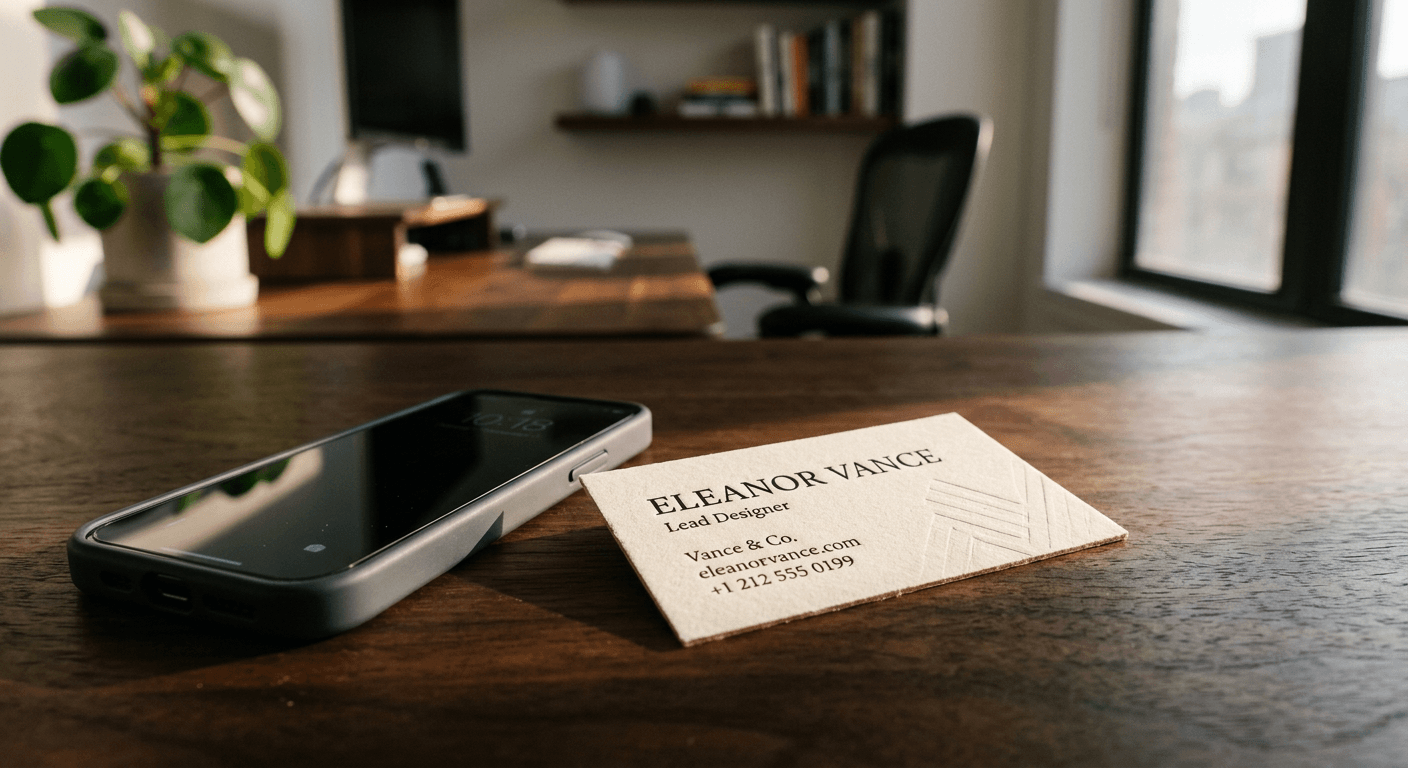
Professional networking remains a cornerstone of corporate growth in the United Kingdom, and high-quality physical stationery continues to play a vital role in establishing credibility. While digital transformation has evolved how we exchange contact details, the tactile nature of a well-designed card provides a lasting impression that virtual signals often fail to replicate.

Quick Summary
Creating effective business cards involves balancing aesthetic minimalism with functional clarity. A successful design communicates your brand identity through tactile quality, legible typography, and precise information architecture. Focus on professional finishes and clear contact hierarchies to ensure your stationery leaves a memorable, lasting impact on prospective clients and partners.
- Prioritise high-quality cardstock and professional finishes.
- Ensure typography is readable and hierarchies are logical.
- Incorporate modern, scannable elements like QR codes.
- Keep design consistent with your broader digital brand identity.
Table of Contents
- Quick Summary
- Establishing Your Brand Identity
- Selecting Materials and Finishes
- Designing for Clarity and Impact
- Common Pitfalls and Troubleshooting
- FAQ
- Recommended Reads
Establishing Your Brand Identity
Before you begin to create business cards, you must define the visual language of your brand. Your card is an extension of your company’s personality; whether you are a creative consultant or a corporate solicitor, the design must reflect your professional ethos. Consistency across all touchpoints is essential to build recognition and trust.
Consider the emotional response you wish to trigger upon handover. A heavy, matte-finish card suggests durability and traditional value, whereas a thin, glossy card might convey modernity and rapid digital agility. Ensure your logo, primary colour palette, and font choices align with your website and social media presence to reinforce a cohesive brand narrative.
Selecting Materials and Finishes
When ordering business cards online, the tactile experience is the most significant differentiator. In the UK printing market, paper weight is typically measured in grams per square metre (gsm). A standard professional card should be at least 350gsm to 450gsm, providing the rigidity required to prevent premature folding or degradation in a wallet.
Beyond paper weight, consider the finishing options. Spot UV - where a glossy finish is applied to specific elements like logos or text - creates a subtle contrast that catches the light and draws the eye. Alternatively, soft-touch laminates provide a velvety, sophisticated feel. Avoid over-complicating finishes; the goal is to enhance readability, not obscure your contact details behind excessive decorative elements.
Designing for Clarity and Impact
Effective custom business cards function as tools for action. Include the essential information: name, job title, company name, telephone number, email address, and a link to your digital hub. With the prevalence of modern networking, integrating a QR code that directs individuals to your digital business cards is a highly efficient way to bridge the gap between physical encounters and online engagement.
Design using standard dimensions to ensure compatibility with traditional cardholders. For the UK market, the standard size is 85mm x 55mm. Maintain generous margins; do not place text too close to the edge to avoid it being clipped during the guillotine process. Use high-contrast colours for text against the background, as legibility is paramount when someone is scanning the card in a dimly lit conference hall or office setting.
Common Pitfalls and Troubleshooting
One of the most frequent errors is the inclusion of outdated or irrelevant information. Do not crowd the card with excessive social media handles, physical addresses that are rarely visited, or taglines that distract from your contact information. If you find yourself needing to update your details frequently, consider a hybrid approach where the card points to a dynamic online page rather than static information.
Another pitfall is the use of low-resolution files for branding. Ensure your logo is provided in a vector format (such as .AI, .EPS, or .PDF) to prevent pixelation during printing. Always request a digital proof before proceeding with a large print run. Check for typos in your web address, as a single missing character renders the entire print batch useless.
FAQ
What is the standard size for business cards in the UK?
In the United Kingdom, the standard business card size is 85mm x 55mm. This matches the dimensions of most credit cards and standard wallet sleeves.
Should I include a QR code on my business card?
Yes, a QR code is a practical addition. It allows for an instant transfer of information to a smartphone, significantly increasing the probability that your contact details will be saved correctly.
How thick should the paper be for a professional finish?
For a professional, premium feel, you should aim for cardstock between 350gsm and 450gsm. Anything lighter than 300gsm often feels flimsy and inexpensive.
What are the most important details to include on a card?
Include your name, professional title, company name, phone number, professional email address, and a URL leading to your link in bio tool.