The Ultimate Random Number Generator Guide for Digital Tasks
Finding true randomness in a digital world feels like trying to find silence in a crowded stadium. Whether you are settling a friendly debate or running a sophisticated statistical simulation, a reliable random number generator is your best friend. Humans are notoriously bad at being truly random—we have patterns and biases baked into our brains. Relying on a machine is usually the only way to keep things fair and unbiased.
Quick Summary
A random number generator is a computational tool designed to produce a sequence of numbers that lack any discernible pattern. These utilities are essential for gaming, cryptography, and statistical sampling. By leveraging algorithmic or hardware-based entropy, they ensure that every outcome is independent, providing a neutral foundation for any digital task.
- Eliminates human bias in decision-making.
- Critical for cryptographic security and software testing.
- Useful for simple tasks like raffle draws or game mechanics.
Table of Contents
- Understanding the Random Number Generator
- Choosing the Right Number Generator
- Common Use Cases for Randomization
- Why Google Random Number Generator Wins
- Creative Ways to Use a Random Number Generator Wheel

Understanding the Random Number Generator
At its core, a random number generator - often abbreviated as RNG - is just a piece of math working in the shadows. Honestly, I believe most people underestimate how difficult it is to create actual chaos. If you ask me, true randomness is a myth in computing because everything follows a set of instructions. Most systems use Pseudo-Random Number Generators (PRNGs), which are just complex formulas that look random enough for us to buy it. If you need deeper insights into how digital tools function, check out what is kode link to see how structural design impacts utility.
The Difference Between True and Pseudo Randomness
Software-based generators are quick, but they have a seed. If you know the seed, you can predict the entire sequence. That sounds sketchy, right? True randomness, on the other hand, comes from unpredictable physical phenomena. Think of atmospheric noise or radioactive decay. It is wild to think that hardware relies on the literal jitter of the universe to pick a winner in a giveaway.
Choosing the Right Number Generator
Not every task requires a high-end cryptographic processor. Sometimes you just need a number between one and ten to decide who pays for lunch. That is when simplicity wins. You don't want to over-engineer a basic lunch bet. For casual users, a simple browser-based tool is plenty. If you are a professional, getting started with our how to guide might help you navigate more complex digital project requirements.
Factors to Consider
- Range control: Can you set your minimum and maximum?
- Exportability: Do you need a list of hundreds of results?
- Accessibility: Does it work on your phone or tablet?
Common Use Cases for Randomization
Why do we even use these things? Aside from the obvious lottery scenarios, developers use them to test stress loads on servers. If a system can handle truly erratic traffic, it can probably handle real users. It is like training an athlete by throwing unpredictable obstacles in their path. If you are curious about organizing your digital assets for such projects, look into custom domain options to keep your brand professional.
Why Google Random Number Generator Wins
Have you ever wondered why the Google random number generator is so popular? It is literally the king of convenience. You type a single search query, and bam—you get an interactive interface right there on the results page. No extra clicks, no weird pop-ups, and no sign-ups. It is clean, fast, and does exactly what it says on the tin. Why complicate a good thing?
Creative Ways to Use a Random Number Generator Wheel
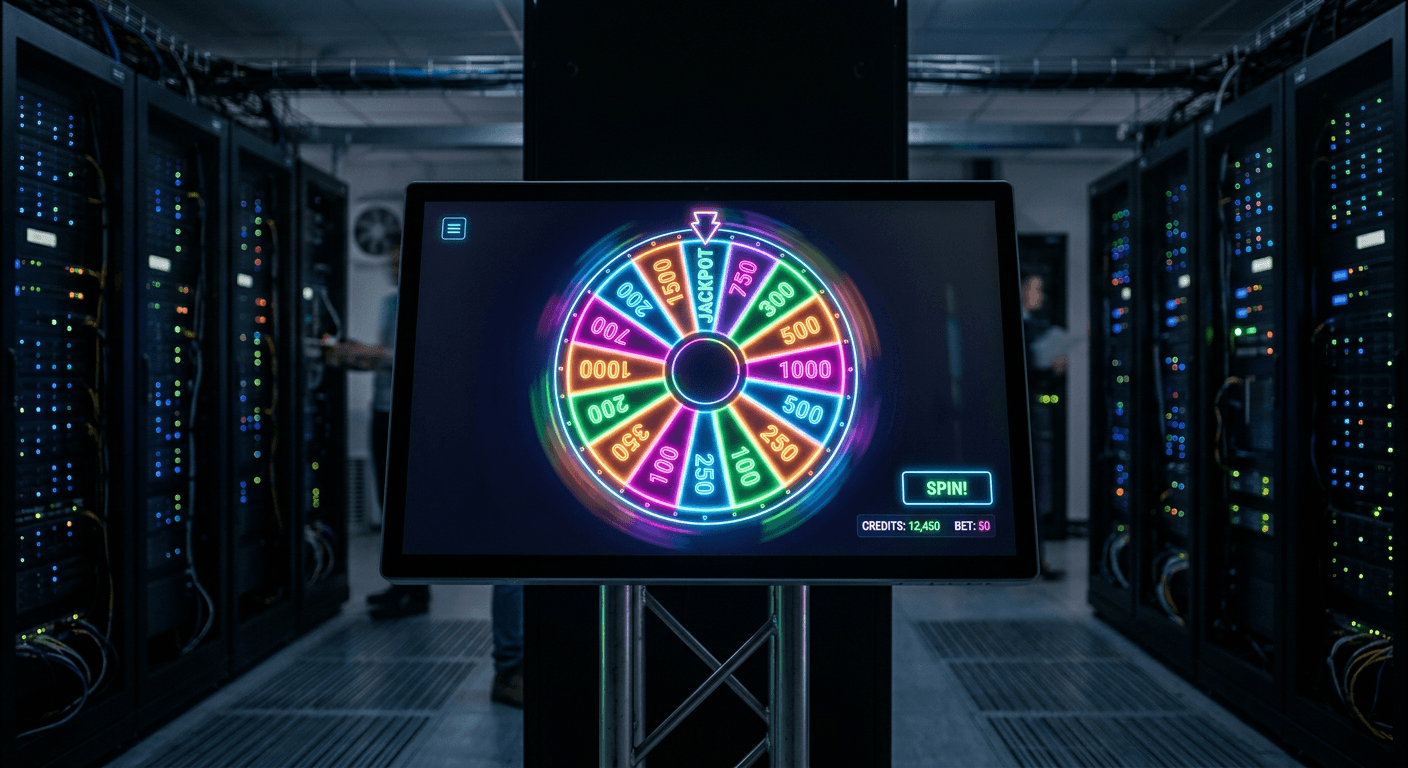
Let’s be real, the text-based outputs are boring compared to a visual spinning wheel. A random number generator wheel adds a layer of suspense that makes even mundane tasks feel like a game show. I once used a wheel to decide which movie my friends and I should watch for an entire weekend marathon. It turned a boring "I don't know, what do you want to watch?" conversation into a fun event. It is all about the psychology of the spin, honestly.
Engagement Tips for Teams
- Use it for assigning meeting order so nobody feels picked on.
- Add colors to the sectors if you are using it for team building.
- Make sure to record the spin if the result is high-stakes.