Top Business Name Generators for Startups and Brands 2026
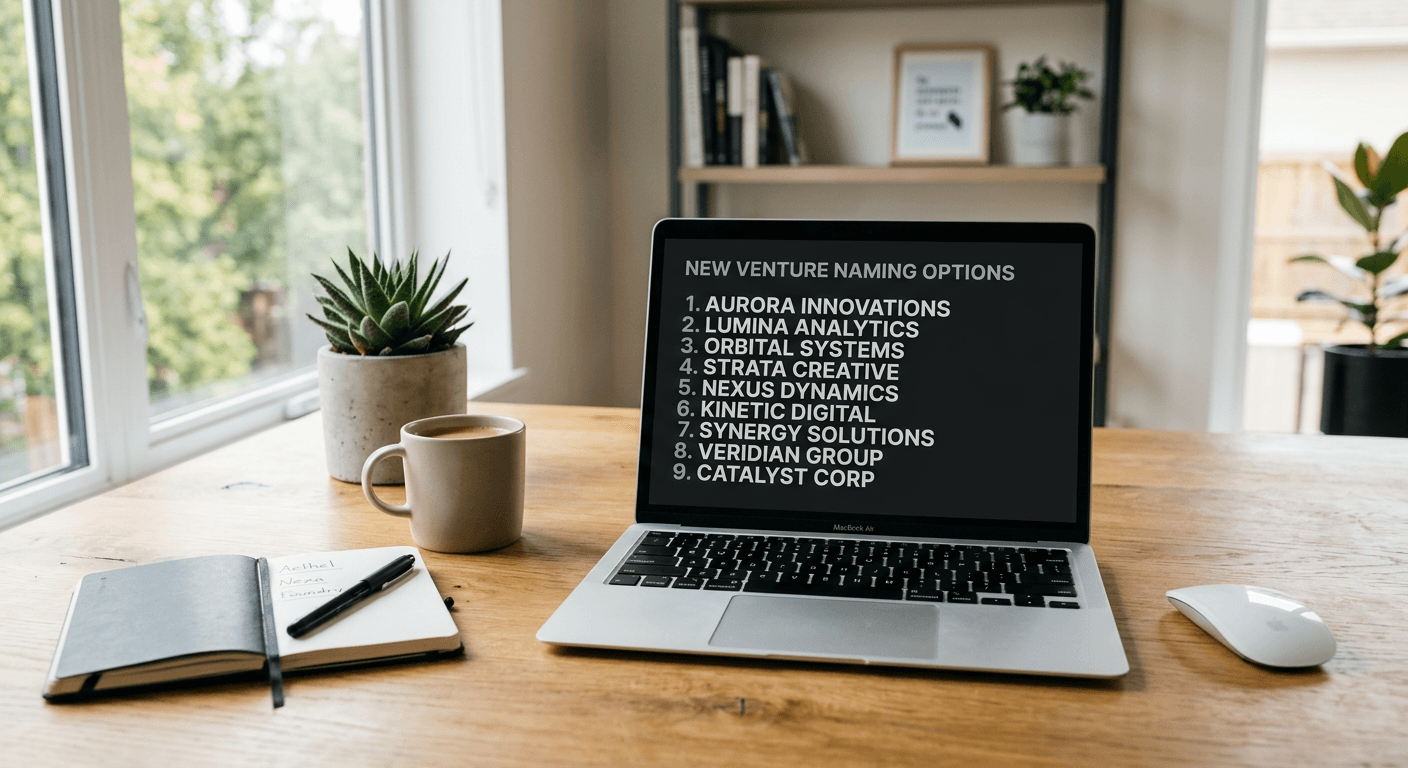
Selecting a compelling identity is the foundational step in building a successful organisation. Using a reliable business name generator is an effective strategy to bypass the dreaded blank page syndrome and uncover creative naming possibilities that align with your core mission. Whether you are launching a boutique consultancy or a scalable enterprise, the right brand name acts as the first touchpoint for your future customers.
Quick Summary
A business name generator is a digital tool that leverages algorithms or AI to produce creative, relevant naming suggestions based on industry-specific keywords and branding criteria. These tools help founders overcome creative block by offering structured brainstorming sessions that filter for domain availability, linguistic appeal, and industry alignment.
- Streamlines the creative process using AI-driven linguistic models.
- Filters results by domain availability and commercial viability.
- Offers industry-specific naming patterns to ensure brand consistency.
- Reduces the time spent on brainstorming from weeks to mere minutes.
Table of Contents
- Comparison of Naming Solutions
- AI-Powered Brand Name Generators
- Industry-Specific Naming Tools
- Corporate Identity Platforms
- Domain-Centric Generators
- Creative and Abstract Naming Services
- How to Choose the Right Generator
- FAQ
- Recommended Reads

Comparison of Naming Solutions
| Feature | AI-Powered Generators | Domain-Centric Tools | Creative Agencies | Professional Platforms |
|---|---|---|---|---|
| Speed | Instant | Instant | Slow (Weeks) | Medium |
| Originality | Medium | Low | High | High |
| Cost | Free/Freemium | Free | High | Mid-Range |
| Domain Checks | Integrated | Essential | Manual | Integrated |
AI-Powered Brand Name Generators
Modern AI-powered options represent a significant shift in how we approach naming. By inputting core concepts or descriptive keywords, these tools use machine learning to suggest compound words, portmanteaus, and abstract phrases that sound professional. If you want to explore what is kode link or other modern identity solutions, these tools provide a perfect starting point for your digital presence.
Pros and Cons of AI Tools
- Pros: Capable of generating thousands of variations rapidly; adapts to specific tone requirements (modern, luxury, technical).
- Cons: Often lacks the human nuance of cultural context; may require heavy vetting for trademark potential.
Industry-Specific Naming Tools
These platforms categorise suggestions by niche, such as SaaS, retail, or hospitality. By selecting your sector, the generator prioritises linguistic tropes typical for that industry. This is particularly useful if you are looking to align with business standards within a specific market, ensuring your name doesn't feel out of place among competitors.
Pros and Cons of Niche Generators
- Pros: High contextual relevance; avoids jargon-heavy mistakes common in broad-spectrum brainstorming.
- Cons: Can become predictable or cliché if the database of suggestions is limited.
Corporate Identity Platforms
Platforms designed for larger organisations often focus on long-term brand equity and trademark clearance. Unlike standard tools, these services often include feedback loops where you can share concepts with a focus group. They are the gold standard for those scaling a business cards strategy or needing a cohesive identity that spans multiple international markets.
Pros and Cons of Enterprise Platforms
- Pros: Comprehensive intellectual property checks; superior branding depth.
- Cons: Significantly higher costs; steep learning curve for solo entrepreneurs.
Domain-Centric Generators
For most startups, the availability of a matching .com or a relevant country-code domain is the deciding factor. These generators force the output to align with available URL structures, saving you the heartache of falling in love with a name that is already taken. It is a pragmatic, functional approach to naming that prioritises SEO and discoverability over pure aesthetic appeal.
Pros and Cons of Domain-First Tools
- Pros: Ensures immediate online viability; prevents "name squatting" disappointment.
- Cons: Can lead to awkward naming choices to accommodate shorter domains.
Creative and Abstract Naming Services
If you are aiming for a disruptive brand identity, look for generators that allow for abstract or emotive input. These tools move away from literal descriptions and focus on phonetic resonance and brandability. This is ideal for companies that want to build a household name rather than relying on descriptive, literal titles that may limit future expansion.
Pros and Cons of Creative Tools
- Pros: Produces memorable, unique names that stand out in crowded marketplaces.
- Cons: Takes longer to build brand awareness since the name doesn't explain the business function.
How to Choose the Right Generator
When selecting a tool, consider your long-term roadmap. If you are in the early validation phase, an AI-based generator will provide the volume of options you need. However, if you are preparing for a Series A funding round, you should transition toward platforms that provide legal screening and deeper brand positioning insights.
Always ensure that any name you select is checked against local registry databases. Even the best generator cannot replace a manual search of trademarked terms. A name should be easy to spell, memorable, and reflective of the values you wish to convey to your stakeholders.
FAQ
Do these generators guarantee that a name is legally available?No. Most tools check for domain availability, not trademark registration. Always perform a legal search in your specific jurisdiction.
Can a business name generator help with SEO?Yes, by providing keywords that are frequently searched in your industry, though brevity and memorability usually trump keyword stuffing.
Which type of generator is best for a small startup?AI-powered or industry-specific generators are generally best for startups because they balance creativity with speed and cost-efficiency.