Top Digital ID Cards and Their Uses
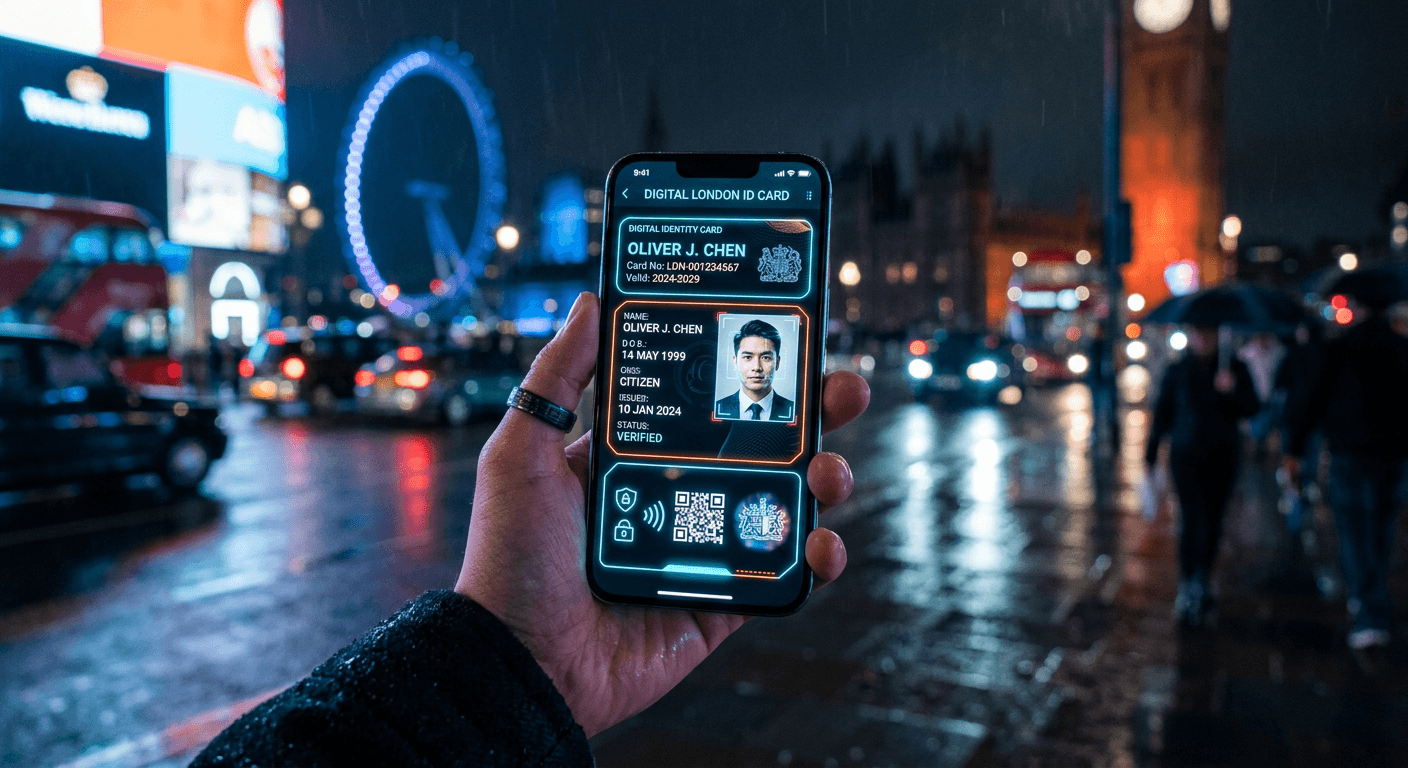
Let’s face it - the days of fumbling through a bulky leather wallet just to find a crumpled plastic card are rapidly fading into history. As we lean further into a world dominated by instant gratification and seamless connectivity, digital id cards have become the logical next step for personal identity management. Whether you are navigating a bustling London tube station or trying to verify your credentials for a secure online portal, having your essential information stored securely on your smartphone isn't just convenient; it is becoming the new standard. If you ask me, we are currently living through the most significant shift in personal identification since the invention of the paper passport. It is messy, it is evolving, and frankly, it is about time.
Quick Summary
Digital ID cards are secure, electronic versions of traditional physical identification documents stored on mobile devices. They facilitate fast, verified identity proofing across both physical and online environments, offering enhanced security and privacy. They are rapidly becoming essential tools for modern professionals and citizens alike in a digital-first economy.
- Reduces reliance on physical wallets and cards.
- Provides encrypted, tamper-proof identity verification.
- Enables instant sharing of credentials in controlled environments.
- Increases accessibility via mobile and wearable integration.
Table of Contents
- The Evolution of Digital ID Cards
- How Digital ID Cards Work in the UK
- Primary Uses for Modern Digital ID
- Why Security Matters More Than Ever

The Evolution of Digital ID Cards
Remember the days when showing your ID meant handing over a physical rectangle of plastic to a stranger? Honestly, I believe that practice was always a bit precarious. You were essentially handing over your life story to whoever stood behind a counter. Now, we use technology to bridge that gap. By leveraging advanced encryption, we can prove who we are without revealing everything about ourselves. It is like having a digital bodyguard tucked inside your Apple Wallet at all times.
Why go digital?
It is not just about losing the plastic. It is about control. Digital systems allow for selective disclosure, meaning you can prove you are over eighteen without revealing your home address or your exact date of birth. Sounds simple, right? It changes the power dynamic of every transaction.
How Digital ID Cards Work in the UK
The landscape for uk digital id cards is constantly shifting. While the United Kingdom hasn't adopted a single, universal national ID card in the same way some other nations have, the private sector and government-backed schemes are filling that void. Many organizations are moving toward interoperable systems that work across various platforms. This movement is significant because it suggests a future where your credentials aren't trapped inside a government cabinet, but instead reside with you.
The role of biometric verification
Most modern id card systems rely on liveness detection. This means the software checks if you are a real, breathing human rather than a static photo or a deepfake. It is sophisticated stuff, and it makes unauthorized access incredibly difficult.
Primary Uses for Modern Digital ID
What can you actually do with these things? The applications are broader than you might expect. From checking into high-security office buildings to proving your status for a loan application, the utility is endless. Many businesses are now opting for business cards that incorporate digital identity features, allowing for seamless networking and instant contact verification without the old-school paper clutter.
Everyday scenarios
- Age verification: Buying age-restricted items without showing your full driver’s license.
- Travel: Streamlining airport check-ins by using your phone as your primary document.
- Healthcare: Accessing medical history at clinics without paperwork.
- Corporate security: Entering buildings with a tap of your smartphone.
Why Security Matters More Than Ever
Here is a hot take: the biggest risk to our identity isn't the digital card itself; it is how we manage our own devices. If you are going to embrace digital ID, you need to understand that your phone is the new vault. While these systems offer features like remote wiping and encrypted cloud storage, they only work if you take your own digital hygiene seriously. If you are curious about setting up your own secure identity framework, looking into pricing models for enterprise-grade solutions can give you a better idea of what constitutes high-tier protection.
Balancing privacy and speed
We want it fast. We want it now. But we also want to know that our private data isn't being harvested by every app we touch. The shift toward decentralized identity models means that, theoretically, you hold the keys to your information. This is a game changer for privacy advocates who have long feared a centralized database of human existence.